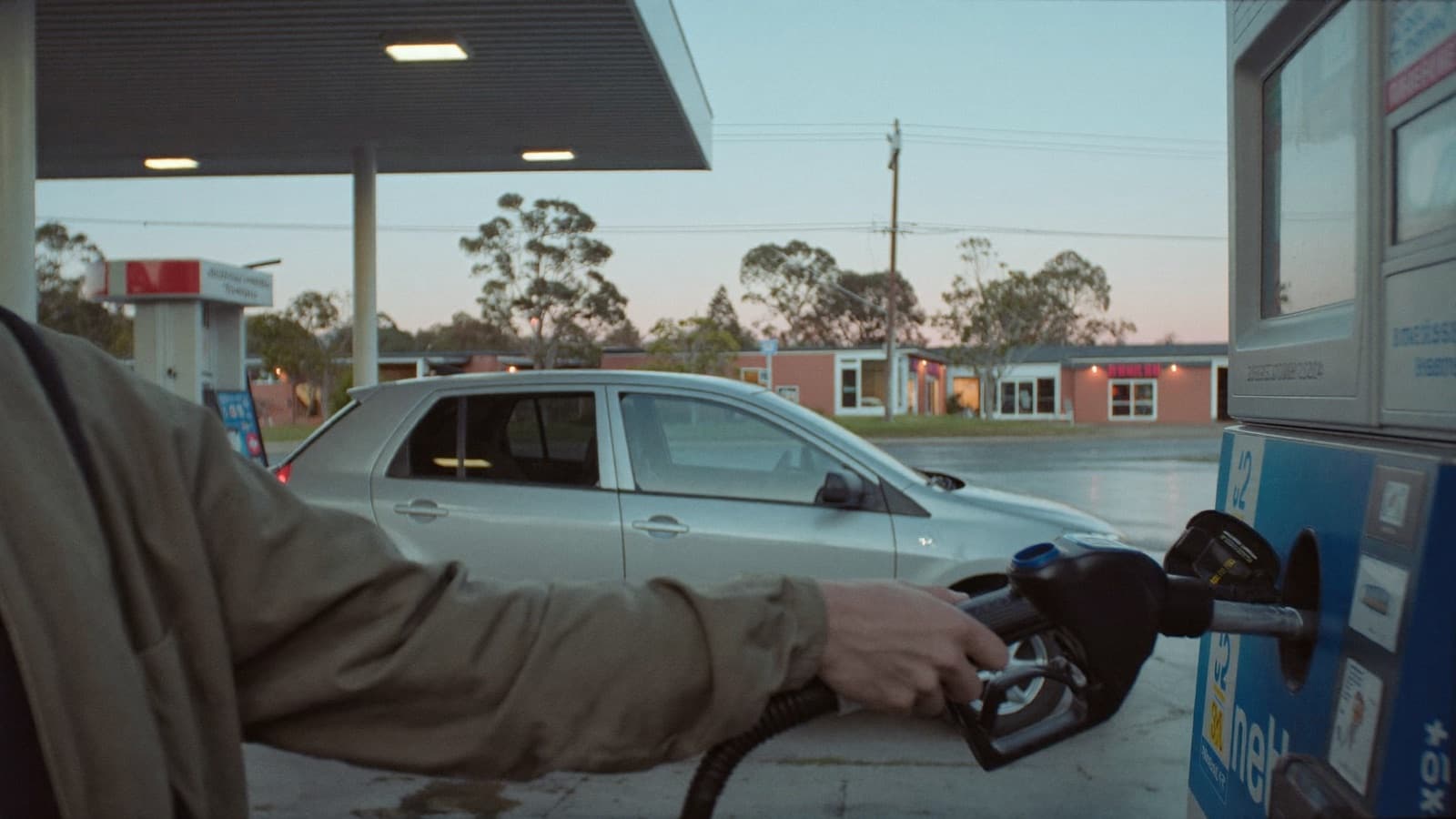
At 11:30am AEST on Wednesday 30 September the Bureau of Statistics releases the August Consumer Price Index, and the headline number is likely to look ugly. Westpac, which has published the most detailed preview we have seen, expects annual inflation to rise from 3.5 per cent in July to about 4.0 per cent. Almost all of that comes from one place: the petrol bowser, where the federal government's temporary fuel excise discount ran out at the start of August. The number the Reserve Bank actually steers by, the trimmed mean, is forecast to sit at 3.6 per cent for a third straight month. That second number is the one that matters for your mortgage.
The timing is awkward. The Reserve Bank announces its September decision at 2:30pm AEST on Tuesday 29 September, the day before this release, so the board decides without these figures. Whatever the board decides on Tuesday, Wednesday's print is the first big input into the next meeting on 3 November, and into how lenders price fixed rates until then.
Why fuel is doing the heavy lifting
From 1 April the government cut fuel excise by 32 cents a litre, from 52.6 to 20.6 cents. On 1 July the discount was halved to 16 cents, and the last of it ended at midnight on 2 August, with the full rate, now indexed to 53.7 cents a litre, applying from 3 August, according to the ABC. The ABS said automotive fuel rose 7.5 per cent in July "after falling for three months in a row", driven by higher world oil prices and the partial unwinding of the excise relief. August is the first full month with no discount at all.
Westpac expects fuel prices to rise 16.6 per cent in August alone, taking annual fuel inflation from minus 0.4 per cent to plus 15.4 per cent. It estimates fuel adds 0.52 percentage points to the month's CPI, which is more than the entire forecast monthly rise of 0.43 per cent. In other words, strip out petrol and prices were roughly flat in August on Westpac's numbers. The Reserve Bank saw this coming: its August Statement on Monetary Policy said the roll-off of the excise reduction "is expected to boost retail fuel prices and quarterly headline inflation".
Two things push the other way. Westpac pencils in a 3.4 per cent seasonal fall in holiday travel after the July school holidays, and a 0.7 per cent fall in electricity prices as new annual retail offers flow through. Even so, it expects annual electricity inflation to jump from 6.1 to 12.4 per cent, because government rebates were still cutting bills a year ago. The ABS put July's electricity rise "largely" down to those rebates ending.
Why this release carries more weight than it used to
Until late 2025 the monthly figure was a partial "indicator" that priced only part of the basket each month, and the quarterly CPI was the number that counted. The ABS has replaced it with the complete monthly Consumer Price Index, which prices the whole basket every month, with quarterly figures still published inside it. The monthly number is now the main inflation read, not a preview of the real one. The September quarter figures arrive with the September data on 28 October, six days before the November meeting, and August is two thirds of the way there.
Headline versus trimmed mean, in plain English
Headline inflation is the change in the price of the whole basket: groceries, rent, petrol, power, holidays, everything. It is the cost of living number that hits your budget, but one-off events such as a tax change or a rebate push it around.
The trimmed mean is the Reserve Bank's preferred measure of underlying inflation. The ABS lines up every item's price change, cuts off the 15 per cent of the basket with the biggest rises and the 15 per cent with the biggest falls, and averages the middle 70 per cent. A 16 per cent jump in petrol gets trimmed off the top. What is left is the broad price growth that interest rates can influence. The RBA's target is 2 to 3 per cent, and its August forecasts had the trimmed mean easing to 3.3 per cent by December and staying above 3 per cent until mid 2027.
That is the problem. The trimmed mean was 3.6 per cent in June and 3.6 per cent in July, and July came in above forecasts. CommBank's economists had expected it to ease to 3.5 per cent and wrote that "the pace of disinflation has stalled". The surprise reached restaurant meals, clothing and furniture, not just fuel and power. Westpac expects 3.6 per cent again for August, with a modest 0.23 per cent monthly rise, and describes the risks as "skewed to the upside". On 18 September Governor Michele Bullock told a parliamentary committee that "some of these upside risks to inflation appear to be materialising".
A 4 per cent headline built on petrol is noise the board can look through. A trimmed mean that has not budged from 3.6 is the signal, and it is already running above the RBA's own path.
Three ways Wednesday can land
As forecast: headline near 4 per cent, trimmed mean 3.6 per cent
Expect the evening news to lead with "inflation back to 4 per cent". For rates, this changes less than the headline suggests, because markets and the board have expected the fuel effect for months. But a trimmed mean still at 3.6 per cent is not on track for the RBA's 3.3 per cent by December. November stays live, the 28 October figures become the decider, and fixed rates, which 18 lenders have already lifted this month, probably hold where they are.
Trimmed mean surprises up: 3.7 per cent or higher
This is the result that moves money. A second upside surprise in a row would say July was not a one-off and strengthen the case for another increase on 3 November, which ANZ already forecasts. Fixed rates are priced off wholesale swap rates, which reprice within minutes of an ABS release, and lenders usually follow within days, so the fixed offers on the table on Tuesday night may not last the week. As an illustration, each further 25 basis point rise adds about $99 a month to a $600,000, 30 year loan at around 6.5 per cent.
Trimmed mean surprises down: 3.5 per cent or lower
A softer underlying number, even under a 4 per cent headline, would support the view that the board can stop where it is after Tuesday and wait, taking some pressure off November. Do not expect fixed rates to fall quickly: lenders raise them within days of a hot number and cut them over weeks, if at all, after a soft one. The monthly trimmed mean is also volatile and gets revised, as Westpac points out, so one soft print is a reason for hope, not a reason to change your loan.
Your pay is falling behind
The Wage Price Index rose 3.2 per cent in the year to the June quarter. With headline inflation at 3.5 per cent in July, the average pay packet already buys less than it did a year ago, and on Westpac's forecast the gap widens to about 0.8 percentage points in August. Petrol, power and rent are outrunning pay while mortgage rates head up. If you have a pay review coming, the headline number is the one to quote.
What to do with this
- Budget for the fuel jump. Excise rose 17.1 cents a litre from July to August, about 18.8 cents with GST. On a 60 litre tank that is about $11 more per fill than in July and about $22 more than during the April to June discount, or roughly $49 a month for a weekly fill-up compared with July. These figures are illustrative and assume the full change reached the pump; world oil prices move pump prices too.
- Check your power bill against last year's. If it is sharply higher, the ABS says rebates ending is the main reason. Compare your plan on the government's Energy Made Easy site, or Victorian Energy Compare in Victoria. It takes about ten minutes and earns nobody a commission.
- Do not read the headline number as a rate call. On Wednesday, look straight to the trimmed mean. At 3.6 per cent it is as expected. At 3.7 per cent or higher, assume November is live and fixed rates rise again. At 3.5 per cent or lower, some pressure comes off.
- Keep building a buffer. Whatever the board decides on Tuesday, putting an extra $100 a month into your offset or redraw covers one more 25 basis point rise on a $600,000 loan, and cuts your interest if it never comes.
- Decide on fixing with your numbers, not the news. Our RBA September preview sets out the fixed versus variable sums in detail. The short version: today's fixed rates already assume higher rates, so fixing pays off only if rates rise more than lenders have priced in.
- Ring your lender's retention team before you do anything else. A lower variable rate negotiated this week helps whichever way the August figures land.
Disclosure: Your Finance Guide works in conjunction with ALG Australian Lending Group (ACL 505575). Licensed brokers who meet our criteria pay Your Finance Guide a partnership fee to receive enquiries from this site. The fee is paid by the broker, not by you, and is not added to your loan. Brokers are usually also paid a commission by the lender when a loan settles. Several steps in this article, comparing your energy plan and calling your existing lender for a retention rate, pay a broker nothing and are often the right first moves. Forecasts and figures are as reported on 28 September 2026, before the August CPI release and before the RBA's 29 September decision. Fuel and repayment figures are illustrative calculations on the stated assumptions, not quotes. This is general information, not personal advice.
- ABS: CPI rose 3.5% in the year to July 2026 (media release, 26 August 2026)
- ABS: Consumer Price Index, Australia, July 2026
- ABS: Consumer Price Index, Australia (release dates)
- Westpac IQ: August CPI preview and analysis (14 September 2026)
- CommBank Research: July 2026 CPI, trimmed mean prints higher than expected (26 August 2026)
- ABC News: fuel excise cut to end in August (2 August 2026)
- RBA: Statement on Monetary Policy, August 2026, outlook
- RBA: Governor's opening statement to the House Economics Committee, 18 September 2026
- ABS: annual wage growth 3.2% in the June quarter 2026
- RBA: board meeting schedule