Luxury car tax explained
Luxury car tax is a 33% tax on the part of a new car's price above a threshold the ATO sets each July: $91,661 for fuel-efficient vehicles and $80,809 for everything else in 2026-27. It is paid by the dealer or importer and built into your price, it applies only to cars two years old or less, and since 1 July 2025 the fuel-efficient threshold is reserved for cars using 3.5 litres per 100 km or less. This guide sets out the thresholds by year, the ATO formula with its own worked example, what is in and out of the LCT value, the exemptions, and how LCT sits alongside the car limit for depreciation and GST.
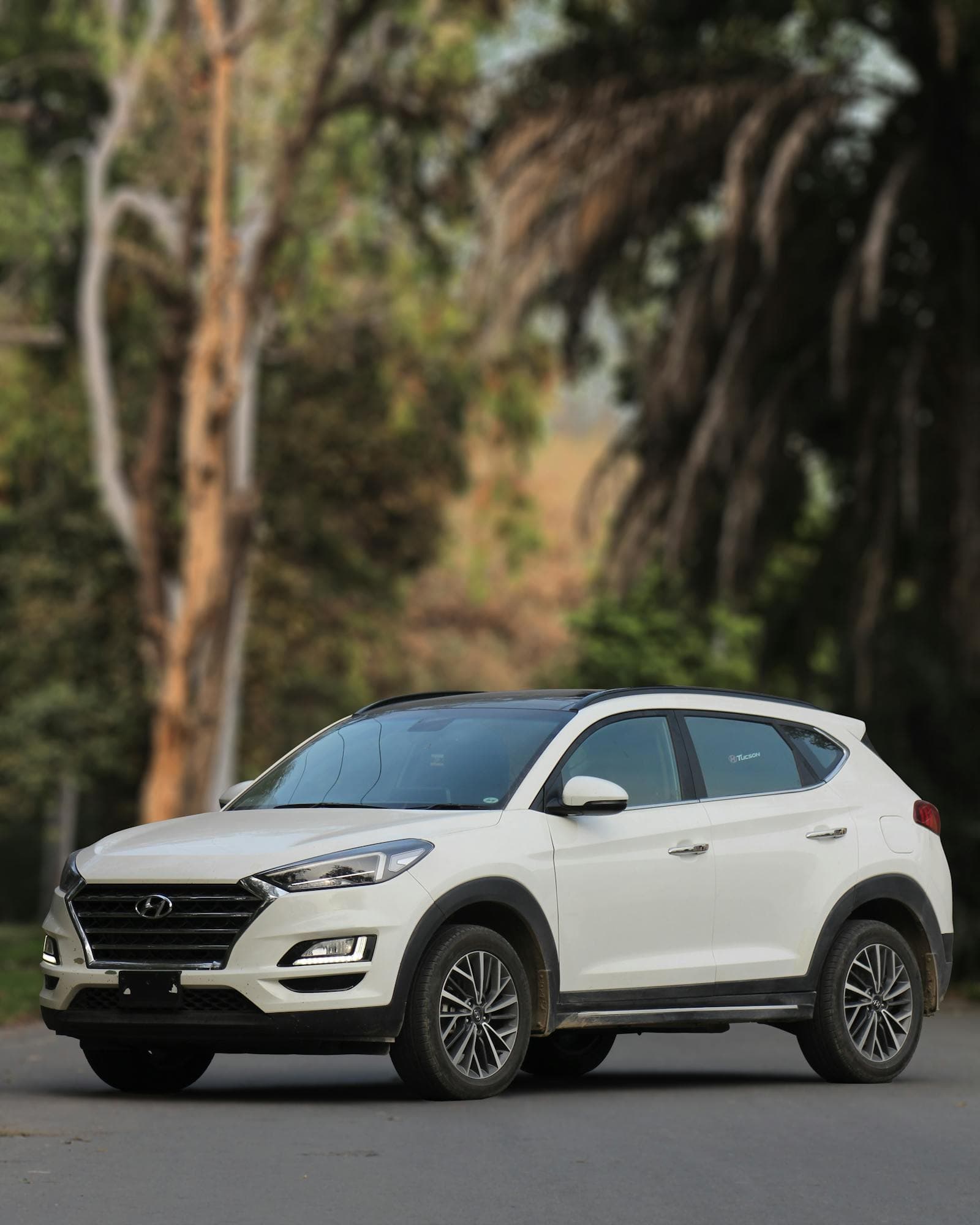
- 2026-27 thresholds: $91,661 for fuel-efficient vehicles, $80,809 for other vehicles; 33% on the amount above the threshold only (ATO)
- Formula: (LCT value minus threshold) × 10/11 × 33%; the ATO’s example on an $88,000 car is $2,157.30 of LCT
- Fuel-efficient now means 3.5 L/100 km combined or better, halved from 7 L/100 km on 1 July 2025 (NRMA on the ATO change)
- Applies to cars two years old or less; not charged again on a used car where LCT was paid at first sale
- Separate from the $69,883 car limit for depreciation and its $6,353 GST credit cap, which also apply to expensive passenger cars bought through a business
WARNING: This comparison rate is true only for the example given and may not include all fees and charges. Different terms, fees, or other loan amounts might result in a different comparison rate. Comparison rates are based on a secured loan of $30,000 over 5 years for vehicle finance and $50,000 over 5 years for equipment finance, as required under the National Credit Code.
What is the luxury car tax?
A federal tax, charged at 33%, on the portion of a car's value above a threshold. The ATO explains that you only pay LCT on the amount over the threshold, that it is generally payable by businesses registered for GST that sell or import luxury cars, meaning dealers, wholesalers and manufacturers, and that a private buyer pays it directly only when importing a car themselves. It applies to cars two years old or less at the time of supply. NRMA's guide gives the context: the tax dates from the era of local manufacturing, which ended in 2017, and it catches large SUVs and electric vehicles priced over the line as readily as it catches European badges, which is why the name misleads.
Thresholds by year
The ATO publishes the thresholds each financial year; the 2026-27 figures were indexed by a factor of 1.003, and the ATO notes that from 1 July 2025 the indexation rates for the two categories were aligned. Checked against the ATO's rate and thresholds page on 20 September 2026.
| Financial year | Fuel-efficient vehicles | Other vehicles |
|---|---|---|
| 2026-27 | $91,661 | $80,809 |
| 2025-26 | $91,387 | $80,567 |
| 2024-25 | $91,387 | $80,567 |
| 2023-24 | $89,332 | $76,950 |
| 2022-23 | $84,916 | $71,849 |
| 2021-22 | $79,659 | $69,152 |
The higher threshold is the one that changed in substance. NRMA reports that from 1 July 2025 the definition of a fuel-efficient vehicle was halved from 7 litres per 100 km to 3.5 litres per 100 km combined, which the ATO records as a change made by the Treasury Laws Amendment (Tax Incentives and Integrity) Act 2025. In practice the $91,661 threshold now covers electric vehicles and plug-in hybrids; conventional hybrids that used to qualify at 5 or 6 litres are taxed from $80,809 like everything else.
How LCT is calculated
The ATO's formula for a sale is (LCT value − LCT threshold) × 10 ÷ 11 × 33%. The LCT value is the retail price including GST and any customs duty, dealer delivery charges, and accessories, modifications or treatments supplied with the car; it excludes stamp duty, transfer fees, registration and compulsory third-party insurance. Multiplying by 10/11 removes the GST from the excess before the 33% is applied, so the effective rate on the GST-inclusive excess is 30%.
| Step (ATO example, 2026-27) | Figure |
|---|---|
| Car's LCT value, GST inclusive, not fuel-efficient | $88,000 |
| Threshold for other vehicles | $80,809 |
| Excess over threshold | $7,191 |
| Excess net of GST (× 10/11) | $6,537.27 |
| LCT at 33% | $2,157.30 |
| Price charged before stamp duty, registration and CTP | $90,157.30 |
Scaling the same arithmetic: a $100,000 conventional car carries about $5,757 of LCT in 2026-27, a $120,000 car about $11,757, and a $150,000 car about $20,757. A $100,000 electric vehicle under the fuel-efficient threshold carries about $2,502, because its excess is measured from $91,661. The dealer reports and pays the LCT on its BAS, which is why the tax is invisible on most invoices: it is simply inside the price.
Who pays, and when it does not apply
- The seller or importer pays. The ATO makes the GST-registered business that sells or imports the car liable; a private individual is liable only when importing a car personally, or when importing without quoting an ABN.
- Two-year rule. LCT applies to sales of cars two years old or less, measured from local manufacture or import. Older cars are outside it, and a car on which LCT has been paid is not taxed again unless resold above its LCT-paid value.
- Vehicle type. The tax covers cars designed to carry fewer than nine passengers and a load under two tonnes; commercial vehicles designed mainly for carrying goods are outside it, which is why some heavy dual-cab utes escape and why NRMA notes the "lifestyle ute" exemption is contested.
- Disability modifications. The ATO applies LCT to a car bought by a person with a disability even if the car is GST-free, but disability-related modifications are not subject to LCT.
- Endorsed public institutions such as museums pay LCT on local purchases unless the car is a work of art or collector's piece bought for display.
LCT, the car limit and GST for business buyers
A business buying an expensive passenger car meets two more thresholds that the ATO publishes alongside LCT. The car limit for 2026-27 is $69,883, the maximum cost that can be used to calculate depreciation on a passenger car first used or leased in that year, and the excess cannot be claimed under any other depreciation rule. The GST credit is capped at one-eleventh of the car limit, $6,353 for 2026-27, however much GST was actually paid. Both apply to passenger vehicles designed to carry fewer than nine passengers and a load under one tonne, so a work ute or van built to carry a load is outside them, while a $95,000 SUV bought through a company faces LCT on the excess, depreciation on only $69,883 and a GST credit of $6,353. The business vehicle loans guide covers the structures; the novated lease FBT guide explains why the fuel-efficient LCT threshold is also the ceiling for the electric vehicle FBT exemption.
Financing a car over the threshold
The tax is part of the price, so it is financed with the car. Published car loan ceilings at the lenders that state them run to $100,000 at NAB and Plenti, $120,000 at CommBank, $130,000 at Westpac and BankSA, and $150,000 at Pepper Money and loans.com.au, which covers most LCT-range cars; the car loan interest rates guide has the rates and age limits, and CommBank and Plenti both publish discounts for electric vehicles that sit under the fuel-efficient threshold. Above the bank ceilings, or for prestige and classic vehicles the banks will not secure, a broker places the loan with a specialist lender. Your Finance Guide refers you to one licensed broker partner; we do not lend.
Car finance guides
Rates, running costs and the business rules.
Luxury car tax FAQs
What is the luxury car tax limit for 2026-27?
How is luxury car tax calculated?
What is considered a luxury car in Australia?
How do you avoid luxury car tax?
Does luxury car tax apply to used cars?
Is luxury car tax included in the drive-away price?
How does LCT interact with the car limit for depreciation and GST?
Can I finance the luxury car tax?
Finance the whole price, tax included
Tell us the car and whether it is for you or the business, and we refer you to one licensed broker partner who prices the loan across lenders. Free for borrowers, no obligation.