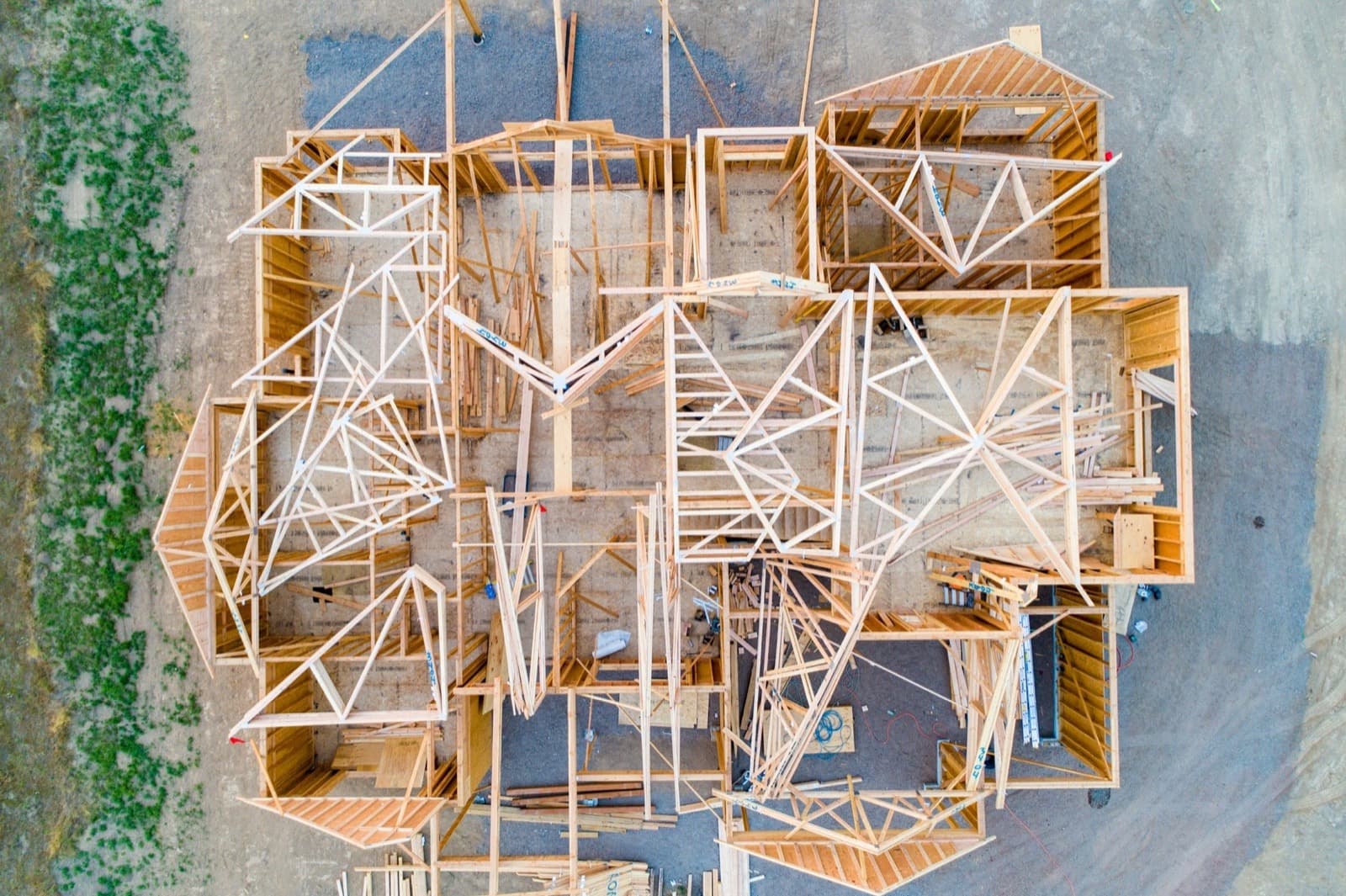
A construction loan is a home loan that draws down in stages as your builder hits agreed milestones: typically slab, frame, lock-up, fixing and completion. Each drawdown adds to the loan balance and you only pay interest on the funds drawn to date. The structure makes builds affordable in a stable rate environment. In May 2026, with the cash rate at 4.35 per cent after three hikes inside six months, the structure is creating planning problems for households mid-build.
The Master Builders Association reported in its May 2026 industry update that the average house build is now running 11 months from slab to handover, up from 8.5 months pre-COVID. The longer build window means more progress payments, and progress payments made in May 2026 carry a materially higher interest cost than the same payment made before the February hike.
How progress payments actually work
- Deposit (5%) - typically paid before construction starts, often from your equity or savings.
- Slab (15-20%) - paid when concrete slab is complete and inspected.
- Frame (15-20%) - paid when timber/steel framing is complete and approved.
- Lock-up (20-25%) - paid when the building is enclosed (roof, walls, doors, windows).
- Fixing (20-25%) - paid when internal fit-out is complete (cabinets, plumbing, electrical rough-in).
- Completion (10-15%) - paid at handover after final certificate of occupancy.
You only pay interest on funds drawn. So in month one of a $600,000 build, you might owe 5 per cent ($30,000) and pay interest on $30,000 only, perhaps $150-160 a month. By month eight of the build you may have drawn 80 per cent ($480,000) and the monthly interest bill is $2,400+.
Why the May 2026 environment is harder
For a borrower who started a build in May 2025, when the cash rate was 3.85 per cent, the deposit and slab payments were made at one rate; the frame payment around a 3.85-4.10 per cent variable; lock-up at 4.10 per cent; fixing at 4.35 per cent; completion still pending at 4.35 per cent. The cumulative interest cost is materially higher than what the borrower originally modelled when they signed the build contract.
Borrowers we have spoken to in the May 2026 market are reporting interest costs during build that are 30-45 per cent above the original budget. The gap is being made up from savings, family loans, or in the worst cases, draws on credit cards. None of those are sustainable across a multi-month build still to complete.
Move one: interest-only during construction (standard, but check the term)
Almost all construction loans default to interest-only during the build period and convert to P&I at handover. Confirm the conversion mechanic and the rate that applies on conversion. Some lenders apply a different rate (typically slightly higher) on construction loans than on completed-home loans. The "completion rate" you will pay from month 12 onwards is the figure that matters for your long-run repayments.
Move two: contingency budget on interest cost
If you are signing a build contract today, model the interest cost across the build assuming the cash rate stays at 4.35 per cent for the duration. Then add a contingency of 25 basis points to cover the small but live risk of a further hike. On a $600,000 build over 11 months, the interest cost during build is roughly $20,000-25,000: a number that should appear on your cashflow plan, not be discovered three months in.
Move three: builder progress-payment ordering matters
Different builders structure progress payments differently. A builder who front-loads payments (e.g. larger slab and frame drawdowns) costs you more in interest than one who back-loads to completion. The total purchase price is identical; the timing of the payments is not. Ask any builder you are tendering for their progress payment schedule and run the numbers on cumulative interest cost before you commit. Two builders quoting the same headline price can differ by $3,000-5,000 in your interest cost across the build.
When valuations come back short
Cotality's April 2026 data showed Sydney and Melbourne values flat or softening. For a borrower mid-build, a soft on-completion valuation can mean the final loan size is recalculated downward and the borrower needs to make up the shortfall in cash. Lenders typically order a "as if complete" valuation at the start of the build and a fresh valuation at handover. Build a 5-10 per cent valuation buffer into your equity position before you sign the contract.