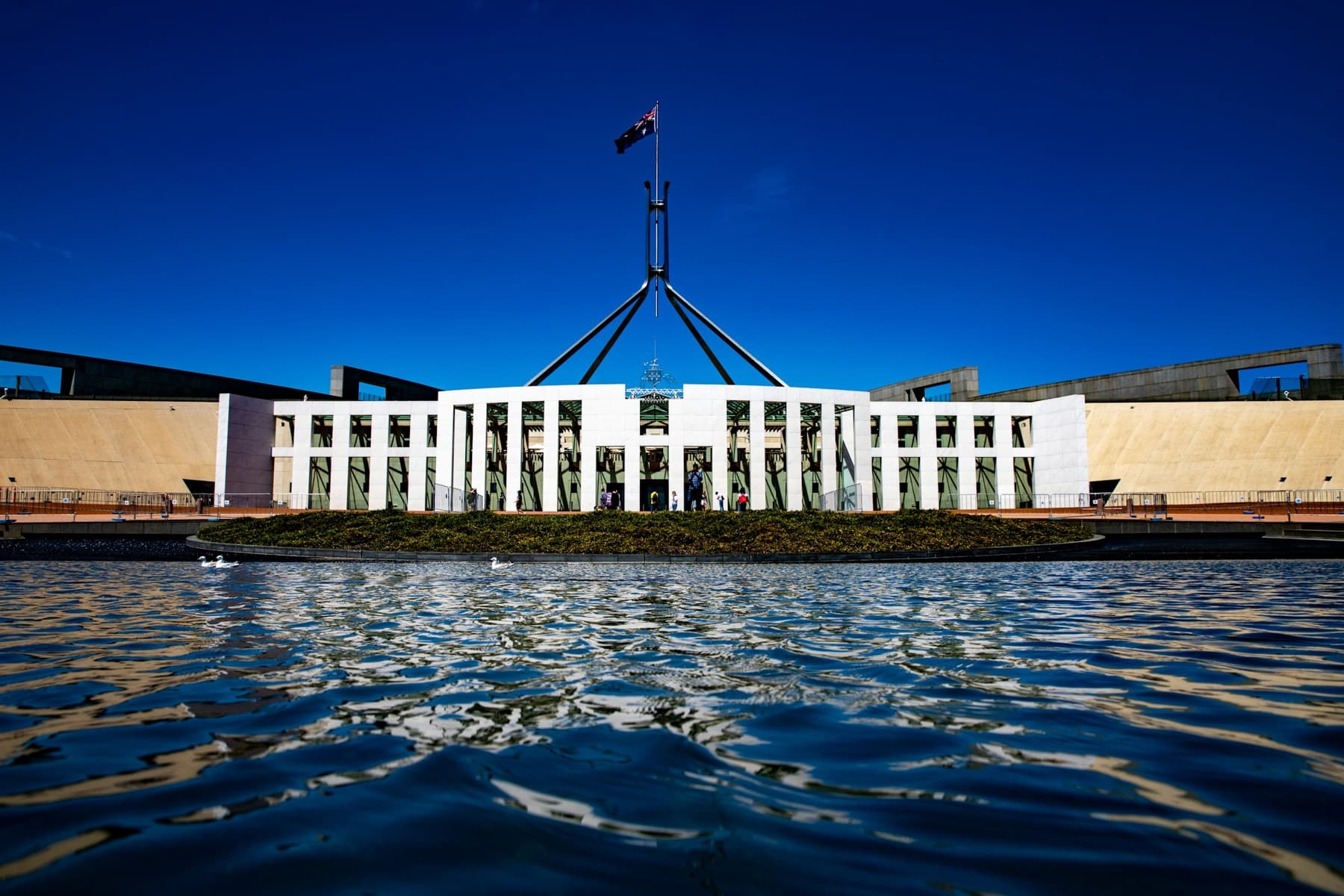
APRA opened a "discussion paper" on the 3 per cent serviceability buffer on 22 May 2026. The framing is neutral. The submission period is genuinely open. ABA, MFAA, COBA, CHOICE and Consumer Action have all lodged early positions. Bullock is reportedly comfortable letting the consultation run its course before the board takes a position.
This is the consultation theatre version of the story. The honest version is that public consultations in Australian financial regulation work like this: the regulator already knows what answer is acceptable to government, the industry already knows what answer they want, and the formal process exists to produce documentation that lets both sides claim the outcome was reasoned rather than negotiated. The actual policy direction is shaped well before the discussion paper drops, in private conversations between Treasury, APRA, the major bank chairs, and the Treasurer's office.
Knowing this matters because the popular framing in finance media right now is "the regulator is weighing the options". Some commentators are taking the position that the cut might not happen. That framing is wrong. The cut is happening. The question is the mechanism and the size.
Who has Treasury's ear (and who does not)
The submissions look balanced. ABA wants a cut to 2 per cent or a dynamic buffer. MFAA wants a tiered framework. COBA wants to hold the line. CHOICE wants caution and stronger responsible lending obligations.
Two of these voices matter to the Treasurer. The ABA matters because the Treasurer needs the major banks aligned on the broader housing affordability narrative the government is selling into the next election cycle. The MFAA matters because brokers now write more than 76 per cent of new mortgages and the broker channel directly intermediates how policy translates into household borrowing capacity. Aligning both is the political game.
COBA's "hold the line" position is the policy equivalent of leaving the gas on while crossing the road. The mutual sector wants the buffer kept high because it suits their lower-risk lending model and their conservative funding base. Their submission will be read, filed, and have no impact on the outcome.
The consumer advocates will get a sentence in the final response document acknowledging "concerns about household leverage" and that will be the end of their influence on this round. This is not a criticism of CHOICE or Consumer Action, who do necessary work. It is an honest read on regulatory political economy.
The constraint nobody on the policy side will say out loud
The federal government has a housing affordability problem that polls badly. The Treasurer needs a policy lever that visibly helps first home buyers and refinancers without spending money. The serviceability buffer is precisely that lever. A 1 percentage point cut from 3 per cent to 2 per cent lifts maximum borrowing capacity by approximately 10 to 13 per cent for typical borrowers. For a marginal first home buyer that is the difference between qualifying and not qualifying.
No money out of the federal budget. No legislative process. APRA changes APG 223, lenders update systems, borrowing capacity goes up. This is the cleanest policy lever in the federal kit for the housing affordability narrative.
If you assume the Treasurer wants the lever pulled (overwhelming evidence yes), the consultation outcome is mathematical. APRA will land on a cut. The size is the negotiation, not the direction.
What the actual mechanism will look like
Three serious options are on the table in the discussion paper. A static cut from 3 to 2 per cent. A dynamic buffer that varies with the cash rate. A tiered framework that varies by borrower type. ABA wants the dynamic version. MFAA wants tiered. Treasury wants whichever version gives them the biggest borrowing capacity uplift for FHBs without scaring the RBA or APRA prudential staff.
The most likely landing zone, based on the submissions and the political constraint: a dynamic buffer that starts at 2.5 per cent when the cash rate is above 4 per cent, falls to 2 per cent when the cash rate is in the 2.5 to 4 per cent range, and rises to 3 per cent when the cash rate is below 2.5 per cent. The framing will be "countercyclical macroprudential calibration", which is a phrase that means "the buffer falls when rates are high and rises when rates are low so the assessment rate stays in a sensible range".
That formula produces a 0.5 percentage point cut from the current 3 per cent at the current 4.35 per cent cash rate. Which is enough to lift borrowing capacity by 5 to 7 per cent for typical borrowers. Which is the smallest cut that the Treasurer can credibly point to as housing affordability action without provoking RBA pushback about reigniting credit growth.
The timeline you should actually plan around
Consultation closes 18 July. APRA preliminary response paper expected late August to early September. Final position paper October to early November. Lender system updates to follow, with the major banks moving first (CBA and Westpac usually within 4 weeks of the formal change; tier-2 and non-bank lenders 6 to 10 weeks).
Realistic earliest borrowing capacity uplift in the live lending market: late November 2026. More realistic: early 2027.
For borrowers within 10 per cent of their target capacity now, the question is whether to wait six months for the formal change to land or apply now under current rules. The honest answer for most borrowers is: do not wait. Six months is a long time to defer a property purchase or refinance, and the marginal benefit (5 to 7 per cent capacity uplift) does not justify the opportunity cost of foregone equity and missed market moves.
What the consultation outcome will not change
The buffer is one input into your borrowing capacity. HEM, credit card limits, existing debt commitments, and lender-specific overlays do far more damage to most borrowers' capacity than the buffer does. We have written about HEM separately. The 10 per cent capacity hit from $20,000 of unused credit card limit is larger than the 5 to 7 per cent capacity uplift the buffer change will produce.
If you are waiting on the APRA outcome because you want to borrow more, the more productive use of your time between now and November is: close your unused credit cards, clean up your existing debt, get your declared expenses tight, and shop the broker panel for the lender whose credit policy best fits your file. Those moves stack with the eventual buffer cut.
Disclosure
Your Finance Guide is owned by Andy McMaster and partners with Australian Lending and Investment Centre (ALG) ACL 505575 for broker matching. ALG receives commissions from lenders that write loans through the panel. We get paid a referral fee for matches that proceed. We have no relationship with APRA or the federal government. The views in this piece are editorial, not paid placement, and reflect Andy and the editorial team's honest read on what the consultation outcome will be.